Words matter. And when it comes to addiction, the debate over “alcoholic vs. alcohol use disorder” isn’t just semantics. It’s survival.
I wrote this for survivors and victims — the ones living with, or healing from, the chaos of being involved with an alcoholic. If you’re the person struggling with alcohol, I see you too. I empathize with what you’re going through. Addiction is brutal. But this particular piece? It’s written from the survivor’s side of the story.
If you’ve ever lived with someone who drinks destructively, you know this: soft language can hide abuse. Blunt truth exposes it.
When it comes to talking about alcoholics (yes, I said alcoholics), I’m not going to dress it up in polite phrasing like “a person with an alcohol use disorder.”
But why would I, when I’ve lived through the fear, the bullying, the yelling, the constant stress? No amount of politically correct phrasing can erase that reality.
I know the clinical world wants me to say “a person with an alcohol use disorder.” But let’s be real.
It’s not what you type into Google when you’re crying in the bathroom, heart pounding, wondering if Dr. Jekyll or Mr. Hyde is about to come through the door.
You’re typing: “how to deal with a f*ing alcoholic.”
Let’s stop pretending otherwise.
And you know what? That’s the truth survivors live.
Why “Alcoholic vs. Alcohol Use Disorder” Isn’t Just Semantics
Sure, “alcohol use disorder” sounds polished. Like something that wears a lab coat, nods earnestly, and carries a clipboard. Very official. Very neutral.
But here’s the problem: neutral language can blur the truth.
Neutral words can lead victims to wonder whether they should excuse, tolerate, or pity destructive behavior. Thinking “Oh, they can’t help it, it’s a disorder.”
Meanwhile, the rest of us are like: Cool, but what do I call the person who just screamed at me for existing and then passed out in the recliner?
Alcoholism devastates the drinker and everyone around them. But it never justifies abuse.
This is where the alcoholic vs. alcohol use disorder debate gets real. One centers the diagnosis. The other captures the chaos. The lived impact on their family, partners, and kids. Both are true, but only one keeps victims from being gaslit into silence.
Jekyll, Hyde, & the Unpredictability Factor
Not every disorder causes harm to others. Unfortunately, I know this firsthand because I struggled with an eating disorder. It caused me pain, but it didn’t make me a danger to others. I never terrorized anyone.
Alcohol is different. It’s not just a “disorder.” It flips a switch.
One minute you’re talking about the weather, the next you’re dodging insults or wondering if you should sleep with one eye open.
That’s Jekyll and Hyde running the show, and you’re trapped in the front row without popcorn. (And I love popcorn, oh, the misery of it all.)
And let’s be honest, nobody describes that reality better than the word alcoholic.
Sugarcoating Helps No One (Except Maybe the Drunk One)
Here’s the danger in saying only ‘alcohol use disorder.’ It sounds clinical and reasonable. That polished tone can trick you into minimizing abuse. Victims may even start to question what they’ve gone through. Before long, you’re left with the message: “Don’t be so harsh. They’re sick.”
It’s like putting whipped cream on a burnt casserole. It doesn’t make it better; it just makes it harder to admit how bad it really is.
So yes, we can acknowledge the diagnosis. But let’s also call out the destruction it causes. If you’re crying in secret, walking on eggshells, or googling “is this normal,” let me save you some time: it’s not normal. And it’s not okay.
A Disorder Is Not a Free Pass
Here’s the line I want etched in your brain:
We can call it a disorder, but it’s never an excuse for abuse.
Maybe you’ve been told to soften your language. Or to make endless allowances for their drinking. Remember this: empathy for the disease is not a free pass for bad behavior.
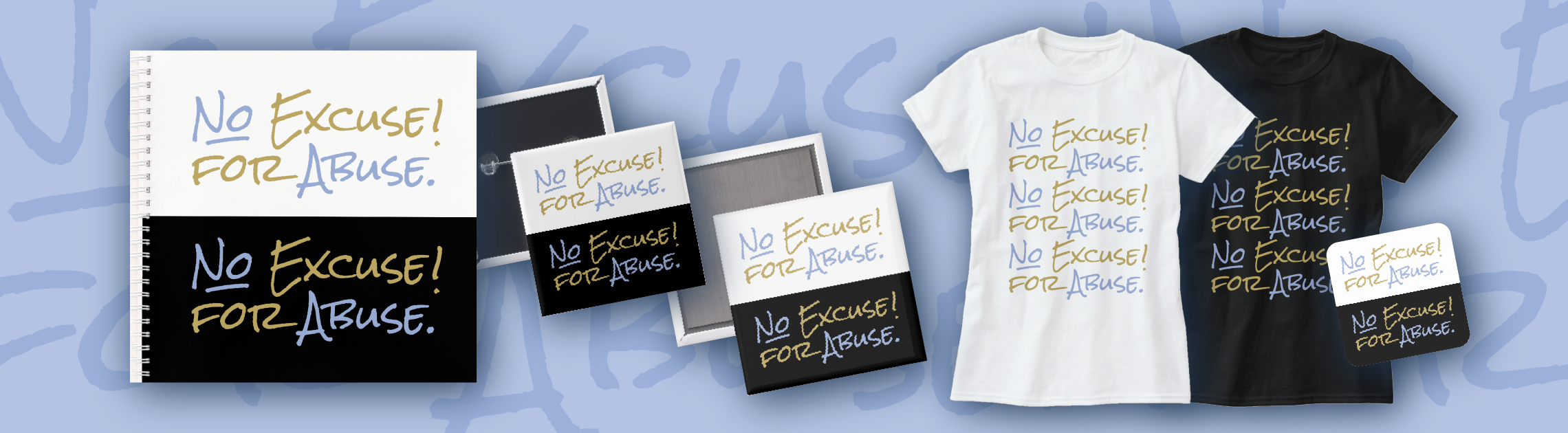
I don’t care if rhinos raised them, or they blame it on Mercury retrograde. There’s still: No Excuse for Abuse. See these designs in my Zazzle shop ▸ (As an affiliate, I may earn a commission at no extra cost to you.)
You can understand alcoholism and demand accountability. Both things can be true at the same time.

Honor your truth — check out my “No Excuse for Abuse” collection here ▸
Teary Eyed Conversation: Alcoholic vs. Alcohol Use Disorder
Here’s the kicker. In one of my more “let me be helpful and compassionate” moments, I actually softened my words. I told someone who had caused me a world of pain, “You have an alcohol disorder.”
With empathy, I was trying to be kind and gentle. I aimed to help them understand it as a disorder, something they could choose to seek help for.
Their response?
“Call it what it is. I’m an alcoholic.”
Well, there it was — the word I’d been avoiding.
I just about choked on the irony. Here I was, dressing it up in polite phrasing. Then they dropped the A-bomb without hesitation.
That moment stuck with me. Because if even the person drinking can own the word, why should survivors feel guilty for using it?
This isn’t about shaming people with a disease. It’s about refusing to sugarcoat the behavior that hurts others.
Call It What It Is
At the end of the day, this alcoholic vs. alcohol use disorder debate is about more than words. For survivors, language can either minimize the pain or validate the hell out of it.
So go ahead and call it what it is. Don’t let fancy phrasing talk you out of your reality. You’re not “too harsh.”
And don’t ever let “disorder” make you forget: you deserve safety, respect, and peace.
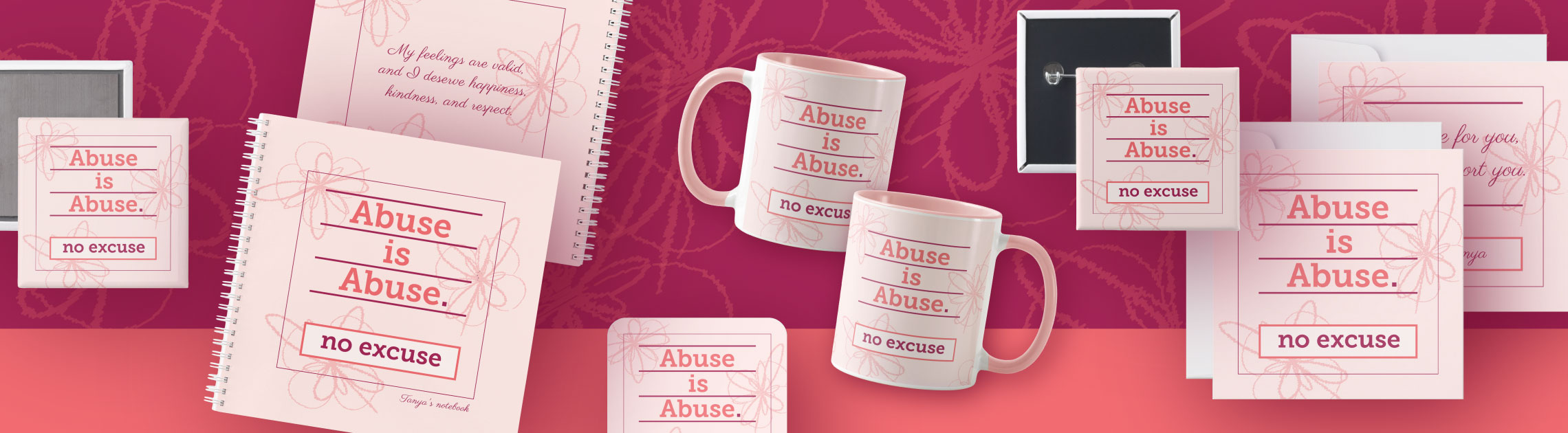
Because in the end, clarity isn’t just about language — it’s about survival. And survival means knowing this: Abuse is Abuse. No Excuse. See these designs in my Zazzle shop ▸ (As an affiliate, I may earn a commission at no extra cost to you.)
Own your truth — check out my “Abuse is Abuse. No Excuse.“ collection here ▸
If You’re Struggling with Alcohol
If you’re struggling with alcohol, there’s no shame in asking for help:
• SAMHSA National Helpline: 1-800-662-4357 (free, confidential, 24/7)
• AA Meetings: aa.org
For family members and loved ones dealing with abuse:
• National Domestic Violence Hotline: 1-800-799-7233
→ If you’re surviving someone else’s drinking, call it what it is and please take care of yourself. You deserve to be treated with care and dignity.